Dryer Not Heating? 7 Common Causes & Fixes (Dania Beach Guide)
There’s nothing more frustrating than pulling out damp clothes from a dryer that spins but won’t heat.
It wastes time, spikes your energy bill, and can even damage the unit if you keep running it.
This guide covers the 7 most common causes, safe DIY checks, and when to call a pro—so you can fix it fast and safely.
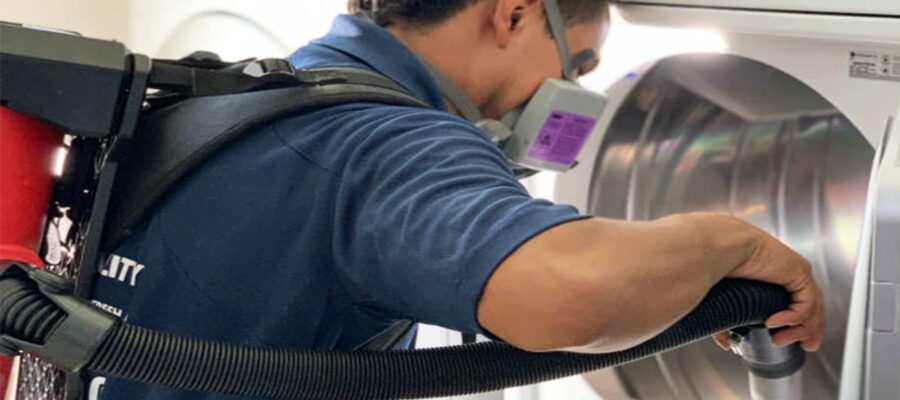
1) Clogged Lint Trap or Dryer Vent
A blocked vent kills airflow and heat. It’s the #1 reason a dryer runs cold.Quick check
If the outside vent flap barely opens or the dryer feels hot outside, but clothes stay damp, airflow is restricted.Try this
- Empty the lint trap before every cycle.
- Detach the vent hose; vacuum lint from the hose and wall port.
- Inspect the exterior vent hood for lint buildup or bird nests.
2) Tripped Breaker or Power Issue
Electric dryers need two breakers; one may trip partially and kill heat.Quick check
Look for two adjacent breakers labeled “Dryer.”Try this
Turn both fully OFF, then ON. If it trips again, call a technician.3) Blown Thermal Fuse
This safety part blows when temperatures run too high—often from poor airflow.Symptoms
Drum spins but no heat; sometimes the dryer won’t start at all.Action
Testing/replacement requires tools and opening panels—call a pro if you’re not experienced.4) Faulty Heating Element (Electric Dryers)
Elements wear out over time and stop producing heat.Symptoms
Dryer runs cool on every setting; no improvement after vent cleaning.Action
A technician can test continuity and replace the element safely.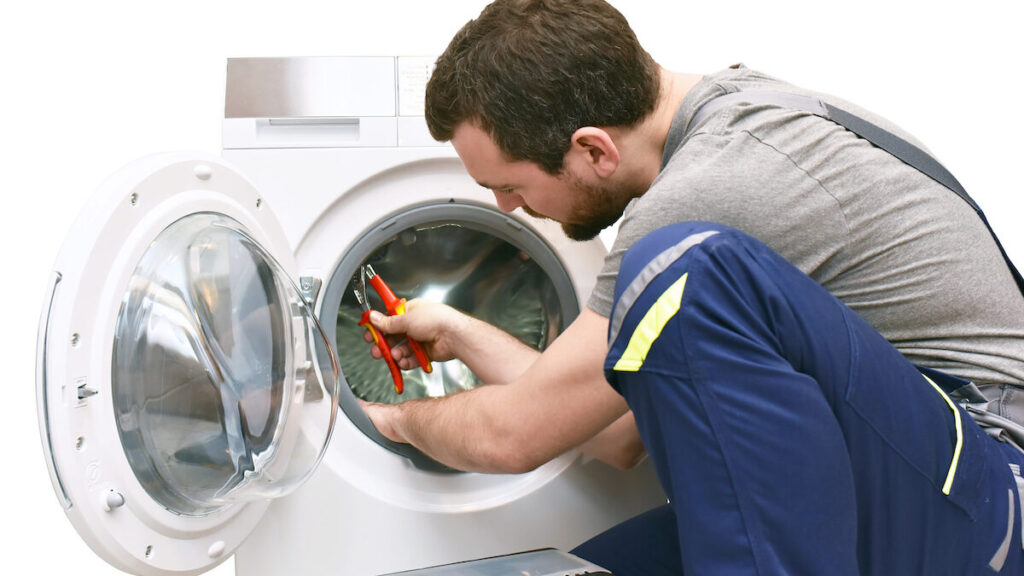
5) Cycling Thermostat or High-Limit Thermostat Issues
If a thermostat sticks or reads wrong, temperatures never reach target.Symptoms
Inconsistent or no heat, especially mid-cycle.Action
Professional testing is recommended to avoid replacing the wrong part.6) Gas Igniter / Flame Sensor (Gas Dryers)
The igniter may glow but never light the burner; or the flame sensor may fail.Symptoms
You hear clicking or see a glow, but no flame.Safety first
Do not attempt gas repairs without proper training—call a pro.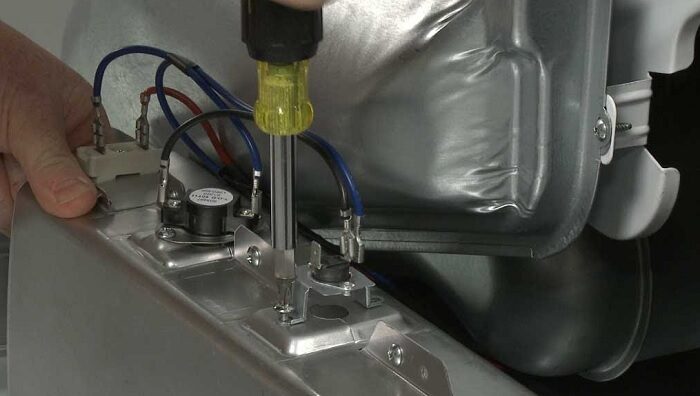
7) Control Board or Relay Failure
Less common, but it happens—especially on older units or after power surges.Symptoms
Random heat loss, error codes, or unresponsive cycles.Action
Requires diagnostic tools; best handled by a certified tech.Safe DIY Troubleshooting (Step-by-Step)
- Unplug the dryer (or switch OFF the gas valve).
- Clean the lint trap, vent hose, and exterior vent hood.
- Reset power: flip both dryer breakers fully OFF, then ON.
- Test again on Timed Dry (High Heat) with a small load.
- Observe: note smells, clicks, glows (gas), error codes, or unusual noises.
Stop immediately if you smell burning, see sparks, or suspect a gas leak.
When to Stop DIY (Call a Pro)
- You’ve cleaned vents and still have no heat.
- Any gas components (igniter, valves, flame sensor) are involved.
- Suspected thermal fuse, heating element, thermostats, or control board.
- The unit is under manufacturer warranty (avoid voiding coverage).
Repair vs. Replace: Ballpark Costs
- Vent cleaning & maintenance: $80–$180
- Thermal fuse / thermostat-level parts: $120–$350 (parts + labor)
- Heating element or control board: $350–$900+ Paragraph (rule of thumb): If a repair cost >50% of the dryer’s value and the unit is 10+ years old, consider replacement.
Prevention Tips (Keep the Heat On)
- Empty the lint trap every cycle.
- Deep-clean the vent path every 6–12 months (more often with heavy use).
- Don’t overload; give clothes room to tumble.
- Leave 4–6 inches behind the dryer to prevent hose kinks.
- Use the right heat setting for fabrics.