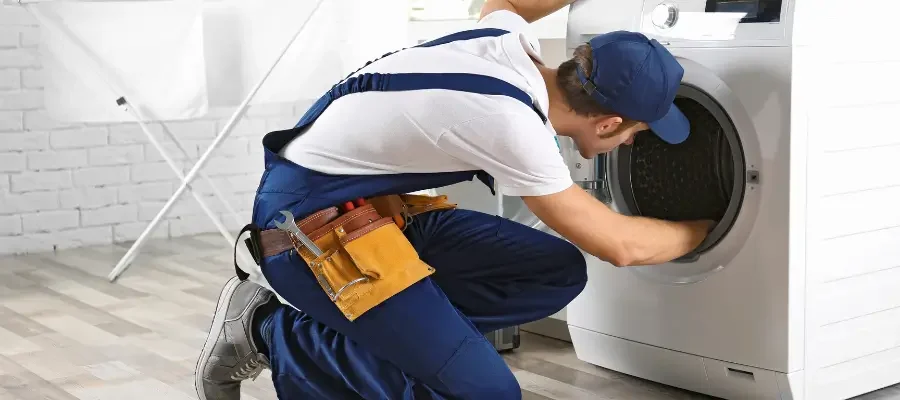
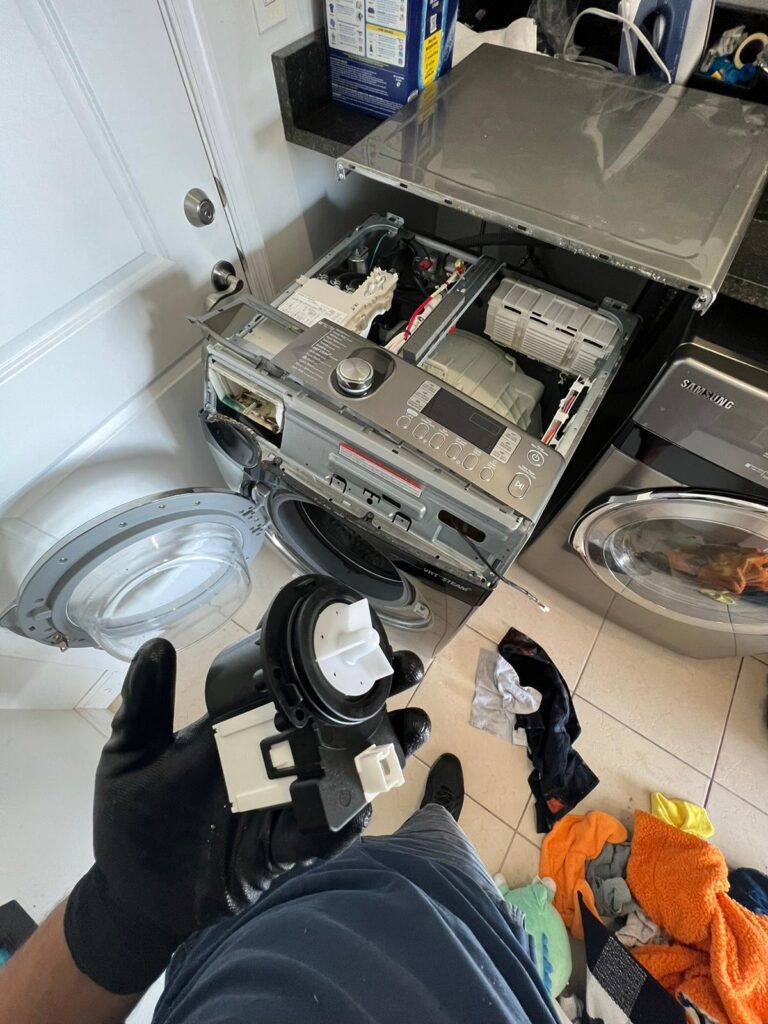
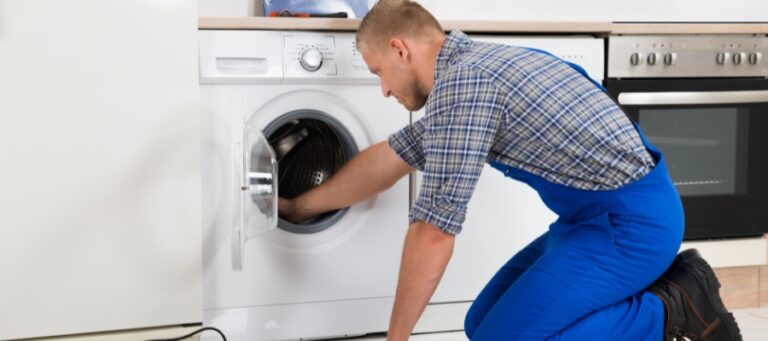
Technician checking the drum of a Whirlpool washer with a spin-cycle problem.

Whirlpool Washer Not Spinning? Possible Causes and Next Steps

Whirlpool washer being inspected after it stopped spinning
A Whirlpool washer not spinning can leave clothes soaking wet at the end of the cycle. The washer may fill and wash normally, but stop before completing the final spin. In other cases, it may remain stuck on sensing, fail to drain, or make unusual noises when the drum tries to move.The problem does not always mean that the washer’s motor or transmission has failed. An unbalanced load, a drainage restriction, a door-lock problem, or an incorrect setting can also prevent the appliance from spinning correctly.This guide explains the most common reasons a Whirlpool washer may stop spinning, which basic checks you can perform safely, and when it may be time to request professional washer repair.

Why Is My Whirlpool Washer Not Spinning?

A washer can only enter the spin cycle when several other parts of the washing process are working correctly. The control system must recognize that the door or lid is closed, the water must drain from the tub, and the load must be balanced enough for the drum to move safely.If one of those conditions is not met, the washer may slow down, stop the cycle, or skip spinning altogether.The cause could be related to the load, the selected cycle, the drain system, the lid switch, the door lock, the drive belt, the motor, the suspension, or an internal drive component. Because several failures produce similar symptoms, the washer should be inspected before a major part is replaced.

Start by Checking the Load

An unbalanced or oversized load is one of the simplest reasons a Whirlpool washer may not complete the spin cycle.Heavy items such as towels, blankets, bath mats, or bedding can collect on one side of the drum. When the washer detects excessive movement, it may stop spinning to protect the appliance.Pause the cycle and redistribute the clothing evenly. If the drum is packed tightly, remove some items and run a smaller load.You can also test the washer with a few lightweight items. If the appliance spins normally with the smaller load, the previous problem may have been caused by overloading or uneven weight distribution.If the washer still does not spin when nearly empty, the issue may involve another part of the appliance.

Make Sure the Correct Cycle Is Selected

Some wash cycles use slower spin speeds to protect delicate fabrics. Other settings may allow the washer to finish with more water remaining in the clothing.Check whether the washer is set to a cycle such as Delicates, Hand Wash, or another low-spin option. Make sure that the spin speed has not been reduced or disabled.Try running a standard drain-and-spin or normal cycle according to the instructions for your model.If the washer begins spinning under a different setting, the issue may have been related to the selected cycle rather than a mechanical failure.
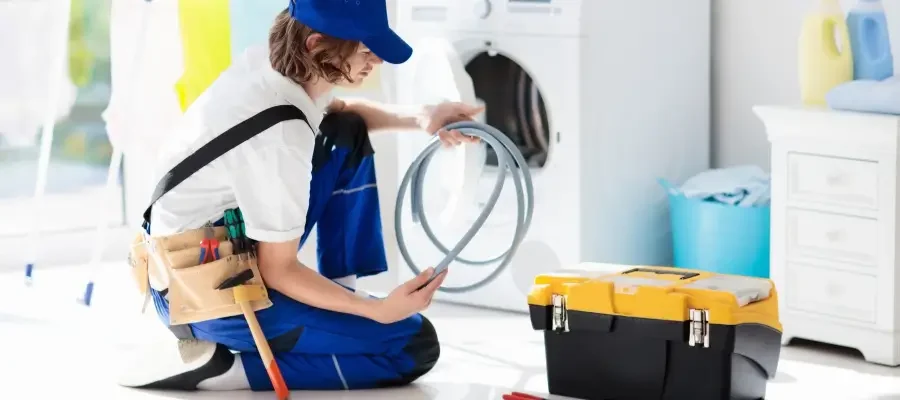
Drainage system being checked in a Whirlpool washer that is not spinning properly

Is the Whirlpool Washer Draining?

A Whirlpool washer not draining may also appear to have a spin problem.Many washers will not enter a high-speed spin while water remains inside the tub. This protects the appliance and prevents water from spilling or placing excessive weight on the drive system.Look inside the drum when the cycle stops. If you can see standing water, the problem may involve the drain hose, pump, filter, or another part of the drainage system.A washer that is not draining may also produce a humming sound, display an error code, or stop repeatedly before the spin cycle.Do not reach into the washer or open internal drain components while the appliance is connected to power.

Check the Drain Hose

The drain hose carries water from the washer into the home’s drain system. If the hose is bent, compressed, blocked, or installed incorrectly, the washer may not remove water fast enough to begin spinning.Inspect the visible section behind the washer. Make sure the hose is not trapped between the appliance and the wall.The hose should not be pushed too deeply into the drainpipe, since an incorrect installation can interfere with drainage or create a siphoning problem.If you see cracks, leaking water, or a severely damaged hose, stop using the washer until the issue is addressed.Avoid removing internal hoses or pump components unless you have the appropriate experience and have safely disconnected the appliance.

Could the Drain Pump Be Blocked?

Small objects can sometimes enter the washer’s drainage system. Coins, hair accessories, fabric, or other debris may restrict the pump or prevent it from moving water properly.A blocked or failing pump may cause the washer to stop with water inside. You may also hear humming, clicking, or grinding when the appliance attempts to drain.Some Whirlpool washers have an accessible pump filter, while others require internal disassembly. Follow the instructions for your specific model before attempting to inspect or clean a filter.If reaching the pump requires opening the appliance, a professional technician should complete the inspection.

Check Whether the Door or Lid Closes Properly

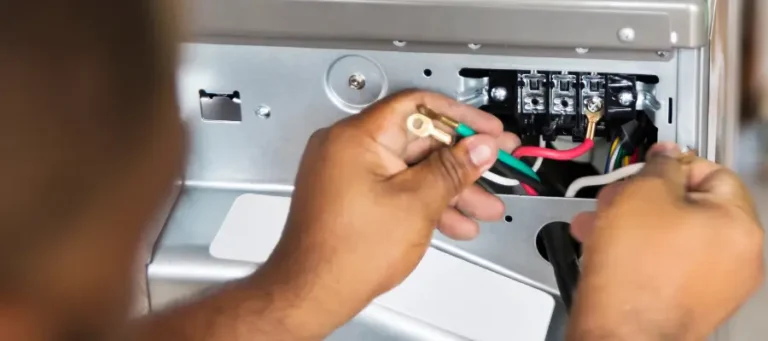
Whirlpool washers use a lid switch or door-lock system to confirm that the appliance is closed before spinning.If the washer does not recognize that the lid or door is secure, it may fill, agitate, or drain without entering the final spin cycle.Close the door firmly and check whether anything is trapped around the seal, latch, or lid. Do not slam or force the door.You may notice a door-lock problem if the washer repeatedly clicks, displays a lock-related error, stops shortly after starting, or continues showing an unlocked status even when the door appears closed.A damaged latch, switch, sensor, or wiring connection may require professional testing.

Why Is My Whirlpool Washer Stuck on Sensing?

A Whirlpool washer stuck on sensing may be trying to determine the load size, balance, water level, or drum movement before continuing.A short sensing period can be normal. However, the washer may need attention if it remains in this stage for an unusually long time or repeatedly returns to sensing without starting the wash or spin cycle.Possible causes include a door-lock problem, an unbalanced load, a control issue, a motor-related failure, or a problem detecting drum movement.Try canceling the cycle according to the owner’s manual and restarting the washer with a small, balanced load. If the problem continues, note any lights or error codes displayed before requesting service.

Is the Washer Level?

A washer that is not level may shake excessively or have difficulty balancing the load during the spin cycle.Press gently on the corners of the appliance. The washer should remain stable and should not rock.Make sure all feet are touching the floor and that the appliance is installed on a firm surface. An unstable floor or uneven adjustment can contribute to vibration, movement, and interrupted spin cycles.Do not tilt or move a heavy washer without assistance. Water lines, the drain hose, and the power cord can be damaged if the appliance is moved incorrectly.

Could the Suspension Be Causing the Problem?

The suspension system helps keep the drum stable while the washer spins.When suspension rods, shocks, or related components wear out, the washer may shake, hit the cabinet, move across the floor, or stop the spin cycle because the load cannot remain balanced.A suspension problem is more likely when the washer makes loud banging noises even with a normal-sized load.The washer may still turn slowly, but fail when it attempts to reach a higher spin speed.Suspension components should be inspected before replacement because similar symptoms can also come from installation problems, uneven loads, or damaged drum components.

Could a Drive Belt or Motor Component Be Damaged?

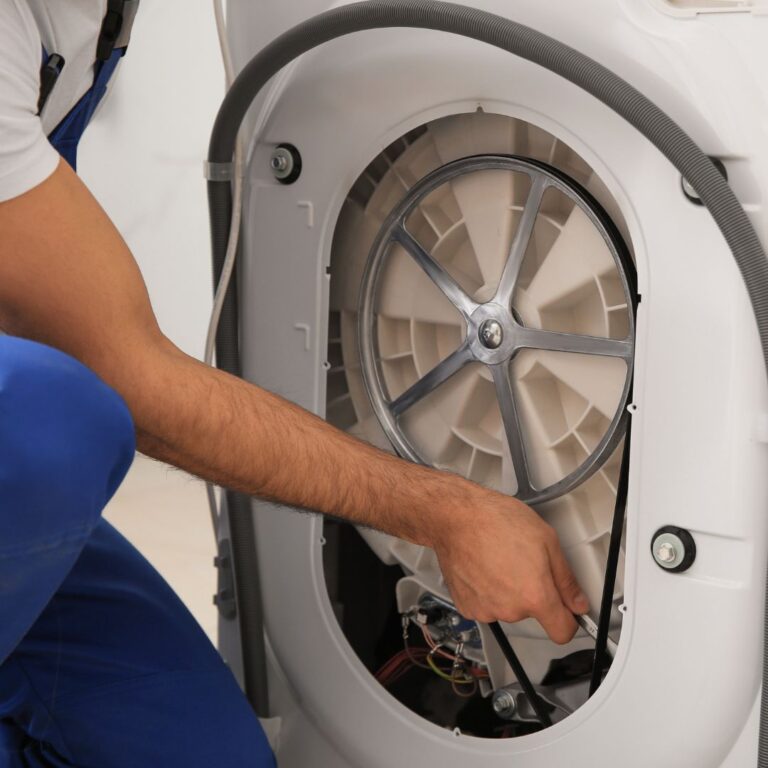
Some Whirlpool washers use a drive belt to transfer movement from the motor to the drum. If the belt becomes loose, worn, or broken, the washer may stop spinning even though other parts of the cycle continue.Depending on the washer design, the problem may instead involve a motor coupling, actuator, clutch, pulley, or another drive-system component.Possible signs include unusual motor sounds, a drum that does not move, a burning smell, or small pieces of rubber found underneath the washer.Do not continue using the appliance if you notice smoke, sparks, exposed wiring, or a strong burning odor. Disconnect power when it is safe and request professional service.

Could the Whirlpool Washer Transmission Be the Problem?

The transmission, sometimes called the gearcase, helps transfer power to the washer’s agitation and spin systems.A damaged transmission may cause the washer to stop spinning, make grinding noises, leak oil, or move the drum incorrectly. However, these symptoms can also be caused by less expensive components.The transmission should not be replaced based only on the washer failing to spin. The drain system, lid lock, belt, motor, actuator, clutch, and related controls should be checked first.A proper diagnosis can help avoid replacing a major component unnecessarily.

Watch a Whirlpool Washer Transmission Repair

In this Blueb Home Services video, you can see an example of a Whirlpool washer transmission replacement.This is one possible repair for a washer experiencing movement or spin problems. The cause depends on the model and the symptoms, so the appliance should be properly diagnosed before the transmission is replaced.

Can You Reset a Whirlpool Washer?

A basic reset may help when the washer has experienced a temporary control or cycle interruption. However, resetting the appliance will not repair a blocked pump, damaged door lock, worn belt, failed motor, or transmission problem.The correct reset process varies by Whirlpool model. Some washers can be reset by canceling the cycle and disconnecting power for a short period. Others require a specific sequence of controls.Follow the instructions in the owner’s manual for your exact model. Avoid repeatedly disconnecting and restarting the appliance when an error code or mechanical problem continues.Before resetting the washer, write down any error code displayed. That information may help identify the system that needs inspection.

When Should You Schedule Whirlpool Washer Repair?

Professional service may be necessary when the washer continues to stop before spinning, leaves water inside the drum, or repeatedly becomes stuck on sensing.You should also request help when the washer displays an error code, makes grinding or banging noises, leaks water, or produces a burning smell.An appliance technician can observe the cycle, test the drain and door-lock systems, and inspect the drive components. This helps determine whether the problem is related to a minor obstruction, a sensor, or a larger mechanical failure.Continuing to operate a washer with unresolved drainage or drive problems may cause additional damage.

Is It Worth Repairing a Whirlpool Washer That Will Not Spin?

The decision to repair or replace the washer depends on the age and overall condition of the appliance, the component that failed, the availability of parts, and whether the washer has experienced repeated problems.A blocked drain, damaged lid switch, worn belt, or failed actuator may be more practical to repair than replacing the entire washer.A major transmission or control-system repair may require a closer comparison between the repair estimate and the cost of a replacement appliance.The washer’s failure to spin does not automatically mean it needs to be replaced. A professional diagnosis can provide the information needed to make that decision.

Whirlpool Washer Repair in South Florida

Blueb Home Services provides professional washer repair in selected areas of Broward County and Miami-Dade County.When requesting service, share the washer’s model number, any error code displayed, whether water remains inside the drum, and what happens before the cycle stops.It is also helpful to explain whether the washer makes unusual noises, becomes stuck on sensing, or spins with smaller loads.Learn more about our washer repair services in South Florida.You can also review the areas served by Blueb Home Services.

Frequently Asked Questions

Why does my Whirlpool washer wash but not spin?

The washer may be detecting an unbalanced load, failing to drain, or experiencing a problem with the lid switch, door lock, belt, motor, suspension, or drive system. The exact cause depends on what happens before the spin cycle stops.

Can a clogged drain prevent a Whirlpool washer from spinning?

Yes. Many washers will not enter a high-speed spin while water remains inside the tub. A blocked hose, filter, or pump can interfere with both drainage and spinning.

Why are my clothes still soaking wet after the cycle?

Clothes may remain wet when the washer does not reach its full spin speed. This can happen because of an unbalanced load, a low-spin setting, poor drainage, or a mechanical problem.

Why is my Whirlpool washer stuck on sensing?

The washer may be unable to confirm the load, door status, water level, or drum movement. Restarting with a small, balanced load may help, but a recurring problem should be diagnosed.

How do I know whether the washer transmission is damaged?

Grinding noises, incorrect drum movement, oil leakage, or repeated spin failure may point to a transmission problem. However, several smaller components can create similar symptoms, so testing is necessary.

Can I continue using a washer that will not spin?

It is better to stop using the washer when water remains inside, the appliance leaks, makes strong mechanical noises, smells like something is burning, or repeatedly stops during the cycle. Continued operation may worsen the problem.

Should I replace my Whirlpool washer if it stops spinning?

Not necessarily. Many spin problems can be repaired. The best decision depends on the diagnosis, repair cost, washer age, and overall condition.

Get Help With Your Whirlpool Washer

A Whirlpool washer that does not spin may have a simple load or setting problem, but it can also indicate a drainage, door-lock, suspension, or drive-system failure.Start by checking the load size, selected cycle, visible drain hose, and whether water remains inside the drum. If the washer is still not spinning, Blueb Home Services can help identify the problem and recommend the next step.Call Blueb at (754) 296-9225 or schedule washer repair.

Similar Posts

Leave a Reply

Your email address will not be published. Required fields are marked *