Oven Making Buzzing Noise: Common Causes, Fixes, and When to Call a Technician
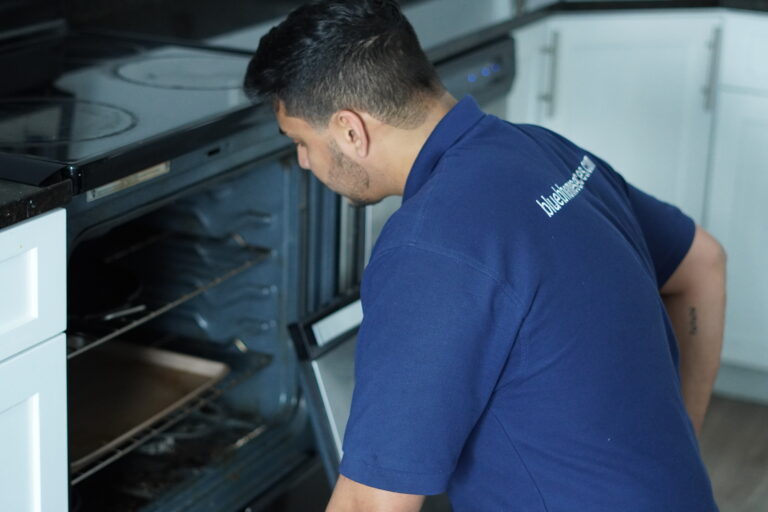
A buzzing sound coming from your oven can be annoying, but it can also be a sign that a part needs attention. In many cases, the issue is minor, such as a cooling fan, relay, or loose panel vibrating during use. In other situations, the noise may point to an electrical fault, a failing igniter, or a component that should be inspected before the oven is used again. If you have an oven making buzzing noise, the key is to notice when it happens, how loud it is, and whether the oven still heats normally.
Some ovens buzz only while preheating. Others make noise when turned on, and some continue to buzz even after cooking is finished. That pattern usually gives the biggest clue about the source of the problem. Understanding those clues can help you decide whether the sound is normal operation or something that needs repair.
Read More: Is Your Oven Making Weird Noises? Here’s What’s Causing It
Common Reasons for an Oven Making Buzzing Noise
- The most common cause of a buzzing oven is vibration from an electrical or mechanical part. Modern ovens contain fans, control boards, relays, igniters, and heating elements that can all create a low humming or buzzing sound under certain conditions.
- One common source is the cooling fan. Many ovens use an internal fan to protect electronic components from heat. If the fan motor wears out, gets dirty, or becomes slightly misaligned, it may produce a buzzing or humming sound. This is especially common in electric and fan-assisted ovens.
- Another possible cause is the control board or relay board. These components regulate power to the bake and broil elements. A weak relay can create a buzzing noise as electricity passes through it. If the buzzing is steady and the oven is still heating, the issue may be electrical rather than mechanical.
- Loose metal panels are also easy to overlook. During preheating, metal expands as temperature rises. A panel, screw, or rack support can vibrate and sound like buzzing, even though the oven still works correctly. If the sound appears only at certain temperatures, expansion-related vibration may be the reason.
- Gas ovens may buzz because of the igniter system. A failing igniter may struggle to light the gas smoothly, causing a noticeable buzzing or clicking sound before ignition. If there is delayed ignition, a gas smell, or uneven heating, stop using the appliance and have it checked promptly.
Why Is My Oven Making a Buzzing Noise During Preheating?
Preheating is one of the most common times for oven noise to appear. During this stage, the oven draws more power, activates internal fans, and rapidly increases temperature. That combination can make small problems more noticeable.
If your oven makes noise only while preheating, the heating element, convection fan, or expanding metal parts may be involved. In an electric model, the relay board may buzz briefly as it controls the flow of power to the bake element. In a convection model, the fan may become louder at startup before settling down.
This does not always mean the oven is failing. Some amount of humming or light buzzing can be normal, especially in newer models with electronic controls. The difference is intensity. A soft hum that disappears may be harmless. A loud, persistent, or worsening buzz usually deserves inspection.
If the oven struggles to reach temperature, takes too long to preheat, or heats unevenly along with the noise, there is likely a part beginning to fail.
Is an Oven Making Buzzing Noise When Off a Serious Problem?
If you notice an oven making buzzing noise even after it has been turned off, that deserves extra attention. In some cases, the cooling fan continues running after cooking to lower internal temperature. That can sound like a hum or buzz and may be completely normal for several minutes.
However, if the buzzing continues long after the oven is cool, an electrical issue may be present. A stuck relay, faulty control board, or failing transformer can sometimes keep making noise even when the oven is not in use. This is more concerning than a brief post-cooking hum because it may indicate that power is still being directed where it should not be.
You should also pay attention if the display flickers, the clock resets, or the oven seems warm when it should be fully off. Those symptoms suggest that the problem is more than simple vibration. In that case, switching off the breaker and arranging service is the safer choice.
Electric vs. Gas Ovens: What the Buzzing May Mean
The cause of buzzing can differ depending on whether your oven is electric or gas.
In an electric oven, buzzing is often linked to relays, control boards, fan motors, or heating elements. A worn electrical connection can create a louder buzzing sound than usual. If the sound happens when the oven is on or during preheating, an electrical part is often the first place to investigate.
In a gas oven, buzzing may come from the igniter or gas valve system. A gas oven should ignite smoothly and consistently. If it buzzes for a long time before lighting, the igniter may be weak. Delayed ignition is not something to ignore because it can create a safety concern.
The sound itself matters too. A soft hum may point to normal operation. A loud buzzing, especially combined with poor performance, usually signals a problem.
What You Can Check Before Calling for Repair
Before scheduling service, there are a few safe things you can inspect.
First, remove the oven racks and make sure nothing inside is vibrating. Sometimes a loose rack or tray can create a sound that seems like it is coming from the appliance itself.
Next, listen carefully to when the noise starts. Does it happen when the oven turns on, during preheating, after it reaches temperature, or when it is off? That timing helps narrow down whether the fan, igniter, or control system is involved.
Check whether the oven heats properly. If the temperature feels inaccurate, food cooks unevenly, or preheating takes too long, the buzzing is more likely related to a failing component.
Look for visible signs of trouble, such as burnt smells, flickering lights, error codes, or loose trim. Do not remove electrical panels yourself unless you are qualified. Ovens use high voltage, and improper handling can be dangerous.
If you suspect the sound is electrical, avoid repeated test runs. A single observation is useful. Repeatedly turning the appliance on and off can worsen a failing relay or board.
When to Stop Using the Oven
A mild hum is not always a reason to panic, but there are times when the oven should not be used again until it is inspected.
Stop using it if the buzzing becomes very loud, if you smell burning, if the oven does not heat correctly, or if the sound continues when the appliance is off. Gas oven owners should also stop using the unit if there is delayed ignition or any gas smell.
An oven making buzzing noise along with tripped breakers, sparks, or visible smoke should be treated as urgent. Turn off power at the breaker and contact a professional technician right away.
Read More: Oven Not Heating Up? Gas & Electric Oven Troubleshooting Guide
Professional Repair and Long-Term Prevention
If the sound is coming from the fan motor, relay board, control board, or igniter, a technician can test the part and confirm the exact issue. Replacing the correct component early can prevent a more expensive repair later.
Routine maintenance also helps reduce noise problems. Keeping vents clear, cleaning grease buildup, checking for loose hardware, and paying attention to changes in preheating time can all help catch problems early.
When homeowners ignore a persistent oven making buzzing noise, the issue may spread from one part to another. A weak relay can damage the board. A failing fan motor can overheat nearby electronics. A weak igniter can affect gas ignition performance. Early service is usually the most cost-effective choice.
Conclusion
A buzzing oven is not always a major problem, but it should never be ignored if the sound is loud, unusual, or happens when the appliance is off. In many cases, the cause is a fan motor, loose panel, relay, or igniter. The best way to narrow it down is to notice when the sound occurs and whether the oven still performs normally.
If the noise is brief and the oven works as expected, it may be harmless. But if your oven making buzzing noise is getting louder, lasting longer, or affecting heating performance, professional diagnosis is the safest next step. Catching the issue early can protect the appliance, improve safety, and save money on larger repairs.
Need professional oven repair?
If your oven is making a buzzing noise and you are not sure whether it is a fan issue, electrical problem, or failing igniter, BlueB Services is here to help. Our team provides reliable appliance repair with fast diagnosis and professional service across South Florida. Contact Blueb Services today to schedule your oven repair and get your kitchen back to normal.
FAQs
Why is my oven making a buzzing noise?
The most common reasons are a cooling fan, relay board, loose metal panel, igniter, or another internal component vibrating during operation. The timing of the sound often helps identify the cause.
Why is my oven making a buzzing noise when off?
Some ovens continue running a cooling fan after use, which can be normal for a short time. If the sound continues after the oven is cool, a stuck relay or control board issue may be responsible.
Is buzzing during preheating normal?
A light hum can be normal during preheating, especially in electric or convection ovens. A loud or worsening buzz, especially with slow heating, may point to a failing part.
Can I still use the oven if it is buzzing?
If the buzz is mild and the oven heats normally, it may not be urgent. But if you notice a burning smell, delayed ignition, heating problems, or buzzing when off, stop using it and have it inspected.
Does a buzzing sound mean the control board is bad?
Not always. The control board is one possible cause, but fans, igniters, loose panels, and relays can all create similar sounds. Proper diagnosis is the best way to confirm it.
Should I repair or replace the oven?
That depends on the age of the appliance, the cost of the repair, and which part has failed. Many buzzing issues are repairable and do not require full replacement.