GE Refrigerator Not Making Ice? Possible Causes and Next Steps
A GE refrigerator not making ice can be frustrating, especially when the refrigerator and freezer appear to be working normally. The problem may be related to the ice maker settings, freezer temperature, water filter, household water supply, or an internal component.Before replacing the ice maker, there are several basic checks you can perform safely. The exact cause depends on the refrigerator model, the type of ice maker, and whether the water dispenser is also experiencing problems.This guide explains why a GE refrigerator may stop producing ice, what you can check first, and when it may be time to request professional refrigerator repair.
Why Is My GE Refrigerator Not Making Ice?
A GE refrigerator may stop making ice for several reasons.Common possibilities include:- The ice maker is turned off
- The freezer temperature is too warm
- The water filter is clogged or overdue for replacement
- The refrigerator is not receiving enough water
- The water supply line is bent or restricted
- The ice bin is not positioned correctly
- The ice maker is frozen
- The water inlet valve is not working properly
- An internal sensor or control has failed
- The ice maker assembly needs repair or replacement
Make Sure the Ice Maker Is Turned On
Start by confirming that the ice maker is turned on.Depending on the GE refrigerator model, the ice maker may use:- A power switch
- A control arm
- A button on the control panel
- A setting inside the refrigerator menu
Check the Freezer Temperature
The freezer must remain cold enough for the ice maker to operate properly.If the freezer temperature is too warm, the refrigerator may continue cooling food while producing little or no ice.GE generally recommends following the temperature settings listed in the appliance manual. For many refrigerators, the freezer is set near 0°F, but the correct setting may vary by model.Possible signs that the freezer is too warm include:- Soft or partially frozen food
- Ice cream that does not remain firm
- Ice cubes that are small or wet
- Ice taking much longer than usual to form
- Frost or airflow problems inside the freezer
Check the Ice Bin
Make sure the ice bin is fully inserted and positioned correctly.Some GE refrigerators use sensors or switches that detect whether the ice bin is installed. If the bin is not aligned properly, the refrigerator may not dispense ice or may interrupt ice production.Remove the bin and check for:- Ice stuck behind or underneath it
- Large clumps of frozen ice
- Cracks or damaged plastic
- Misaligned components
- Ice blocking the dispenser opening
Inspect the Water Filter
A clogged refrigerator water filter can reduce the amount of water reaching the ice maker.When the filter becomes restricted, you may notice:- Slow water flow from the dispenser
- Small or hollow ice cubes
- Reduced ice production
- No ice production
- Unusual sounds when the refrigerator requests water
Does the Water Dispenser Work?
Testing the water dispenser can provide useful information.If the refrigerator is not making ice but the water dispenser works normally, the problem may be closer to the ice maker, freezer temperature, or water line leading to the ice maker.If the GE refrigerator water dispenser is not working either, the issue may involve:- The household water supply
- A closed water valve
- A bent water line
- A clogged filter
- Frozen tubing
- Low water pressure
- A water inlet valve problem
- An electrical or control issue
Check the Household Water Supply
The refrigerator needs a consistent water supply to produce ice.Check that the water shutoff valve connected to the refrigerator is fully open. Also inspect the visible portion of the water line for bends, compression, or damage.A refrigerator may receive insufficient water when:- The valve is partially closed
- The supply line is kinked
- Water pressure is too low
- The filter is restricted
- The inlet valve is failing
- The line has frozen
Could the Water Line Be Frozen?
In some refrigerators, the small water line supplying the ice maker may freeze.This can happen when:- The freezer temperature is set too low
- Cold air reaches the water line unevenly
- The refrigerator has an airflow problem
- The door has remained open
- A component is not controlling temperature properly
Is the GE Ice Maker Frozen or Jammed?
Ice can sometimes become stuck inside the ice maker or around the ejector mechanism.You may notice:- Ice cubes stuck together
- Partially formed cubes
- A clicking or grinding sound
- The ice maker attempting to cycle without releasing ice
- Ice buildup around the assembly
Could the Water Inlet Valve Be the Problem?
The water inlet valve controls the flow of water into the refrigerator.When the ice maker requests water, the valve opens briefly to fill the ice mold. If the valve is damaged, blocked, or not receiving the correct electrical signal, the ice maker may not receive enough water.Possible signs of an inlet valve problem include:- No water entering the ice maker
- Slow water flow
- Small ice cubes
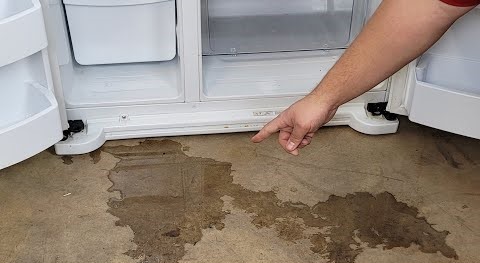
- Water leaking behind the refrigerator
- Unusual buzzing when the refrigerator requests water
- Problems with both the ice maker and water dispenser
Watch a GE Refrigerator Ice Maker Replacement
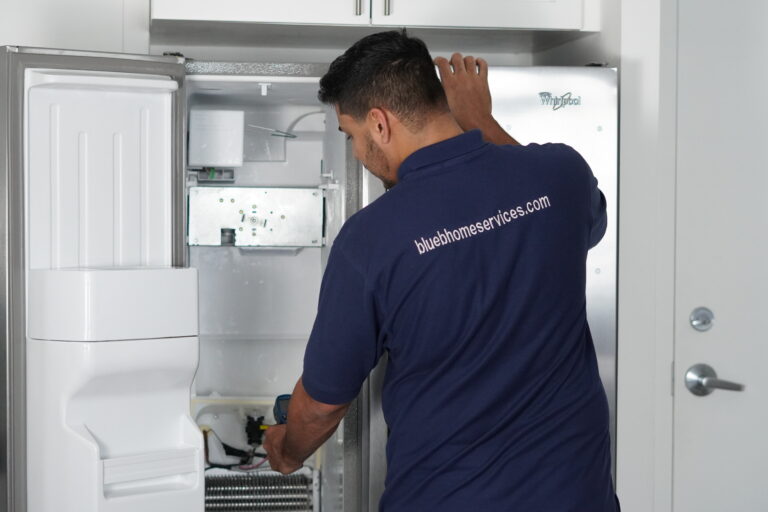
In this Blueb Home Services video, you can see an example of how a GE refrigerator ice maker was replaced.The video demonstrates one possible repair. However, replacing the ice maker should only be considered after checking the freezer temperature, water supply, filter, settings, and related components.When Does the Ice Maker Need to Be Replaced?
An ice maker assembly may need replacement when its motor, sensors, wiring, mold, or internal controls no longer operate correctly.Possible signs include:- The ice maker receives water but does not complete a cycle
- Ice remains stuck inside the mold
- The assembly makes repeated clicking or grinding sounds
- The ejector mechanism does not move
- The ice maker has visible damage
- Other water and temperature problems have been ruled out
What If the GE Refrigerator Is Not Cooling Either?
If the refrigerator is not making ice and the freezer is also too warm, the issue may extend beyond the ice maker.Possible causes may include:- Blocked airflow
- Frost buildup
- A damaged evaporator fan
- A condenser problem
- Dirty condenser coils
- A door seal problem
- A temperature sensor failure
- A defrost system issue
- A compressor or sealed-system problem
When Should You Schedule GE Refrigerator Repair?
Consider requesting professional service when:- The ice maker remains on but does not produce ice
- The water dispenser is also not working
- The freezer is not maintaining the correct temperature
- The refrigerator produces small or hollow ice cubes
- Water is leaking inside or behind the appliance
- The water line repeatedly freezes
- The ice maker makes unusual noises
- The refrigerator displays an error code
- The ice maker needs to be removed or electrically tested
- Basic filter, temperature, and water supply checks do not resolve the issue
Is It Worth Repairing a GE Refrigerator Ice Maker?
Whether the repair makes sense depends on:- The age of the refrigerator
- The general condition of the appliance
- The exact component causing the problem
- The cost and availability of replacement parts
- Whether the refrigerator is cooling correctly
- Whether there are additional water or electrical problems
- The cost of replacing the refrigerator
GE Refrigerator and Ice Maker Repair in South Florida
Blueb Home Services provides refrigerator and ice maker repair in selected areas of Broward County and Miami-Dade County.When requesting service, provide:- The refrigerator model number
- A description of the ice maker problem
- Whether the water dispenser works
- Whether the freezer is maintaining temperature
- Any error code displayed
- When the problem started
- Your service location